Exploring Floral Backgrounds and Patterns: A Creative Resource for Designers
In the world of graphic design, floral patterns have long been a staple for adding elegance, warmth, and visual interest to projects. Whether you're working on a website, a print publication, or a branding project, floral backgrounds and seamless patterns can elevate your work with a touch of natural beauty. In this article, we'll explore what floral backgrounds and patterns are, their significance in design, and how they can be used effectively in various creative applications.
What Are Floral Backgrounds and Patterns?
Floral backgrounds refer to designs that incorporate floral elements as the primary visual component. These can range from simple flower motifs to complex arrangements of petals, leaves, and vines. Floral patterns, on the other hand, are repetitive designs that can be tiled seamlessly to cover a surface without visible seams. These patterns are often used in textiles, wallpaper, and digital media.
Hand-drawn floral seamless patterns are particularly popular among designers who value authenticity and personalization. Created using traditional drawing techniques, these patterns offer a unique aesthetic that cannot be replicated by digital tools alone. They are especially useful for creating custom designs that reflect a brand's personality or a project's theme.
The Appeal of Hand-drawn Floral Seamless Patterns
Hand-drawn floral patterns bring a sense of craftsmanship and artistry to any design. Unlike machine-generated patterns, which can appear uniform and lifeless, hand-drawn designs capture the organic nature of flowers and plants. This makes them ideal for use in branding, packaging, and editorial design, where a more personal and artistic feel is desired.
Moreover, seamless floral patterns are designed to repeat without gaps or overlaps, making them perfect for large-scale applications such as banners, wall coverings, and digital backgrounds. Their versatility allows designers to use them across multiple platforms and formats, ensuring consistency in visual messaging.
Why Use Digital Papers with Flowers Drawn by Colored Pencils?
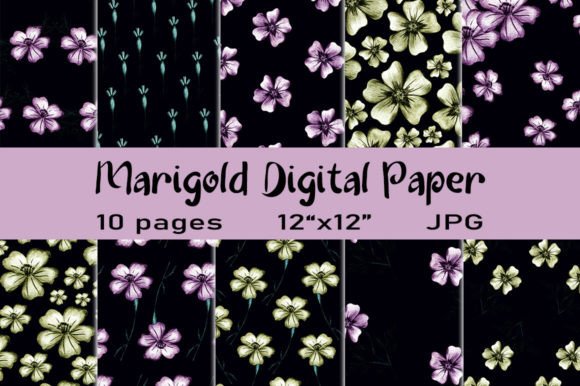
Digital papers with flowers drawn by colored pencils are a valuable resource for designers looking to add texture and depth to their projects. These papers are typically high-resolution JPEG files that feature intricate floral illustrations created using traditional drawing techniques. The use of colored pencils adds a soft, painterly quality that is both visually appealing and easy to integrate into digital workflows.
These digital papers are often available in various sizes and color variations, allowing designers to choose the best fit for their specific needs. They are particularly useful for creating mockups, background layers, and design elements that require a subtle yet impactful visual presence.
What You Get When You Purchase These Files
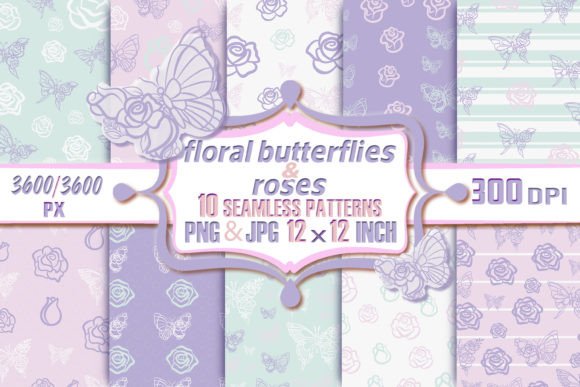
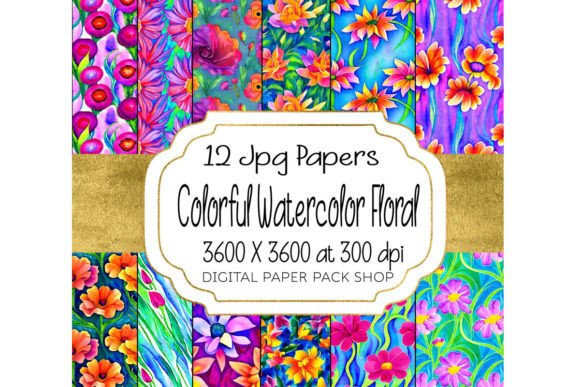
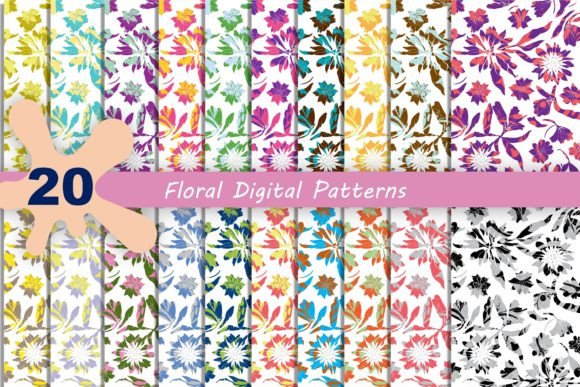
- 10 JPEG files – Each file is 3600 x 3600 pixels, equivalent to 12 x 12 inches at 300 dpi, ensuring high-quality prints.
- Black background – All files are provided on a black background, making it easier to integrate them into your design projects.
- ZIP file archive – Files are bundled into a ZIP file for easy download and extraction.
- No mockups or fonts included – Only the floral designs are provided, as per the product description.
- Instant download – After completing payment, you’ll receive instant access to your files.
It’s important to note that while the colors may appear vibrant on your screen, there may be slight variations when printed. This is due to differences in monitor calibration and printing processes. Always preview your designs before finalizing them for print.
How to Use These Floral Resources in Your Projects
Floral backgrounds and patterns can be applied in a wide range of design contexts, from web design to print materials. Here are a few examples of how you can incorporate these resources:
- Website Backgrounds – Use floral patterns as a subtle background for landing pages or promotional sections to create a welcoming and elegant atmosphere.
- Branding Materials – Incorporate floral designs into logos, business cards, and letterheads to reflect a company's identity and values.
- Print Publications – Add floral elements to brochures, magazines, and posters to enhance visual appeal and make the content more engaging.
- Interior Design – Use floral patterns in home decor, such as wall art or fabric designs, to create a cohesive and stylish environment.
- Artistic Projects – Explore the creative potential of floral patterns in mixed-media art, scrapbooking, and illustration.
Common Misconceptions About Floral Design
While floral design is widely appreciated for its beauty, there are some common misconceptions that designers should be aware of:
- Floral patterns are outdated – In reality, floral designs have evolved to suit modern aesthetics and can be adapted to various styles, from minimalist to bohemian.
- They are only for women – Floral designs are gender-neutral and can be used in a variety of contexts, including corporate branding and tech-related projects.
- They lack versatility – With the right approach, floral patterns can be customized to fit almost any design need, whether it's for a luxury brand or a casual lifestyle brand.
Conclusion: Enhancing Creativity with Floral Design
Floral backgrounds and patterns offer a unique blend of beauty and functionality that can greatly enhance any design project. Whether you're a beginner or an experienced designer, incorporating these elements can help you create more engaging and visually appealing work. By understanding the purpose and practical relevance of floral design, you can unlock new creative possibilities and bring your ideas to life with elegance and style.
When choosing floral resources, it's essential to consider factors such as resolution, format, and compatibility with your design software. High-quality, hand-drawn floral patterns provide a versatile and artistic foundation for your projects, allowing you to express your creativity in a meaningful way.
As you explore the world of floral design, remember that experimentation and personalization are key. Don’t hesitate to try different combinations and styles to find what works best for your vision. With the right tools and knowledge, floral design can become a powerful asset in your creative toolkit.