Geometric Multicolored Seamless Patterns: A Creative Resource for Designers and Creators
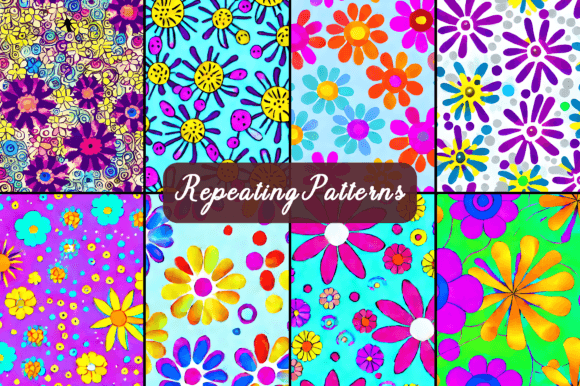
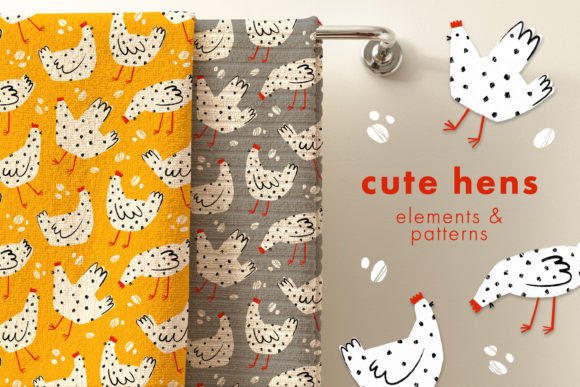
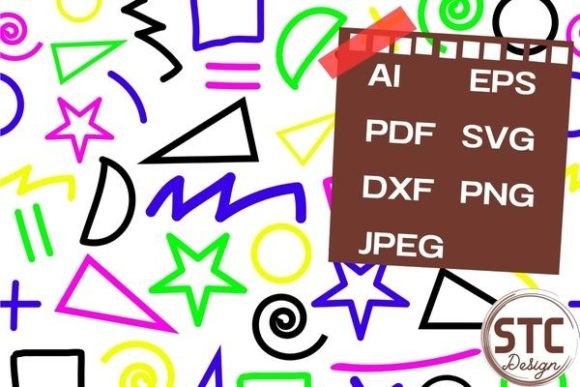
Geometric multicolored seamless patterns are a versatile design asset that can elevate the visual appeal of a wide range of projects. These patterns, composed of repeating geometric shapes in vibrant colors, offer a modern and dynamic aesthetic that is ideal for both digital and print applications. Whether you're designing a website, blog, or shop, or creating fabric, posters, notebooks, or even clothing, these patterns provide a consistent and eye-catching background or element.
Why Choose Geometric Multicolored Seamless Patterns?
One of the main advantages of using geometric multicolored seamless patterns is their adaptability. Unlike traditional patterns that may require complex tiling, seamless designs repeat perfectly without visible seams, making them ideal for large-scale use. This feature is especially useful for backgrounds, wallpapers, and other elements where continuity is key.
Additionally, these patterns are available in multiple file formats, including AI, EPS, PDF, SVG, DXF, PNG, and JPEG, ensuring compatibility with various design tools and platforms. The inclusion of both RGB and CMYK versions allows designers to use the patterns effectively for both digital and print purposes.
Understanding File Formats and Quality
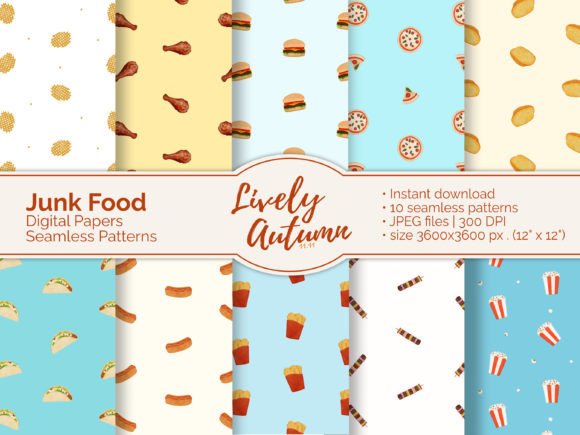
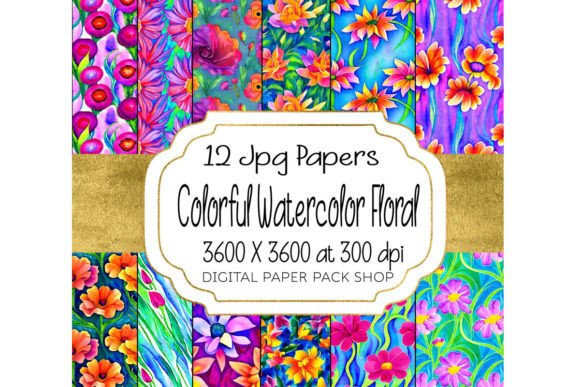
When working with any design asset, understanding the file formats and resolution is crucial. The seamless patterns provided come in high-resolution files at 300 dpi, which is standard for professional printing. Each file measures 12 x 12 inches (305 x 305 mm) or 3600 x 3600 pixels, ensuring clarity and detail regardless of the project's scale.
It's also important to note the distinction between RGB and CMYK color modes. RGB files are best suited for digital use, such as websites, blogs, and social media graphics, while CMYK files are optimized for printing on physical materials like fabric, posters, and packaging. Choosing the correct format based on your intended use will ensure the final result meets your expectations.
Common Mistakes When Using Geometric Multicolored Seamless Patterns
While geometric multicolored seamless patterns are powerful tools, there are several common mistakes that designers often make when using them. Being aware of these can help avoid unnecessary errors and wasted time.
- Using the wrong file format: Assuming all files are suitable for print or web can lead to color shifts or poor quality. Always check the format before starting your project.
- Ignoring resolution requirements: Low-resolution images can appear pixelated when scaled up, especially in print. Ensure you’re using the highest quality version available.
- Not considering the pattern’s scale: Some patterns may look great at a small size but become distorted when enlarged. Test the pattern at different sizes before finalizing your design.
- Misunderstanding seamless vs. non-seamless patterns: Not all patterns are seamless, so it's essential to confirm that the design truly repeats without gaps or overlaps.
- Overlooking the file size: Large files can slow down your workflow or cause issues with software compatibility. Optimize your files where possible.
How These Mistakes Can Impact Your Work
Making these mistakes can lead to a variety of issues, from poor print quality to unsatisfactory digital results. For instance, using an RGB file for print can result in color inaccuracies, affecting the overall appearance of your work. Similarly, not testing the pattern at different scales can lead to inconsistencies in the final output, which may be costly to fix later.
By taking the time to understand the nuances of the patterns and their application, you can significantly improve the efficiency and quality of your projects.
Practical Tips for Using Geometric Multicolored Seamless Patterns
To get the most out of your geometric multicolored seamless patterns, follow these practical tips:
- Check the file details: Before downloading or purchasing, verify that the files meet your project's requirements in terms of format, resolution, and color mode.
- Test the pattern in different contexts: Use the pattern in various applications—like a website background, a brochure, or a mug—to see how it performs across different mediums.
- Consider the purpose of the design: Match the pattern's style and color palette to the intended use. A bold, colorful pattern might not be suitable for a minimalist website, while a subtle geometric design could enhance a luxury product.
- Use vector files for scalability: If you're working with AI or EPS files, they can be scaled without loss of quality, making them ideal for logos, branding, and other scalable elements.
- Organize your files: Keep your downloaded files in a structured folder system to avoid confusion and streamline your workflow.
What to Look For Before Making a Decision
Before deciding on a set of geometric multicolored seamless patterns, consider the following factors:
- Quality and resolution: Ensure the files are high-resolution and suitable for your intended use.
- File format compatibility: Confirm that the files work with your preferred design software and platform.
- Color accuracy: Check if the patterns maintain their vibrancy and consistency across different formats and uses.
- License and usage rights: Make sure you have the appropriate rights to use the patterns for your specific project.
- Support and documentation: Look for clear instructions or support if you're new to using seamless patterns.
By carefully evaluating these aspects, you can ensure that your choice of geometric multicolored seamless patterns aligns with your creative goals and technical requirements.